the standard · long read
what makes a candle luxury.
by the editorspublished 2026-04-28last reviewed 2026-04-28
the standard · long read
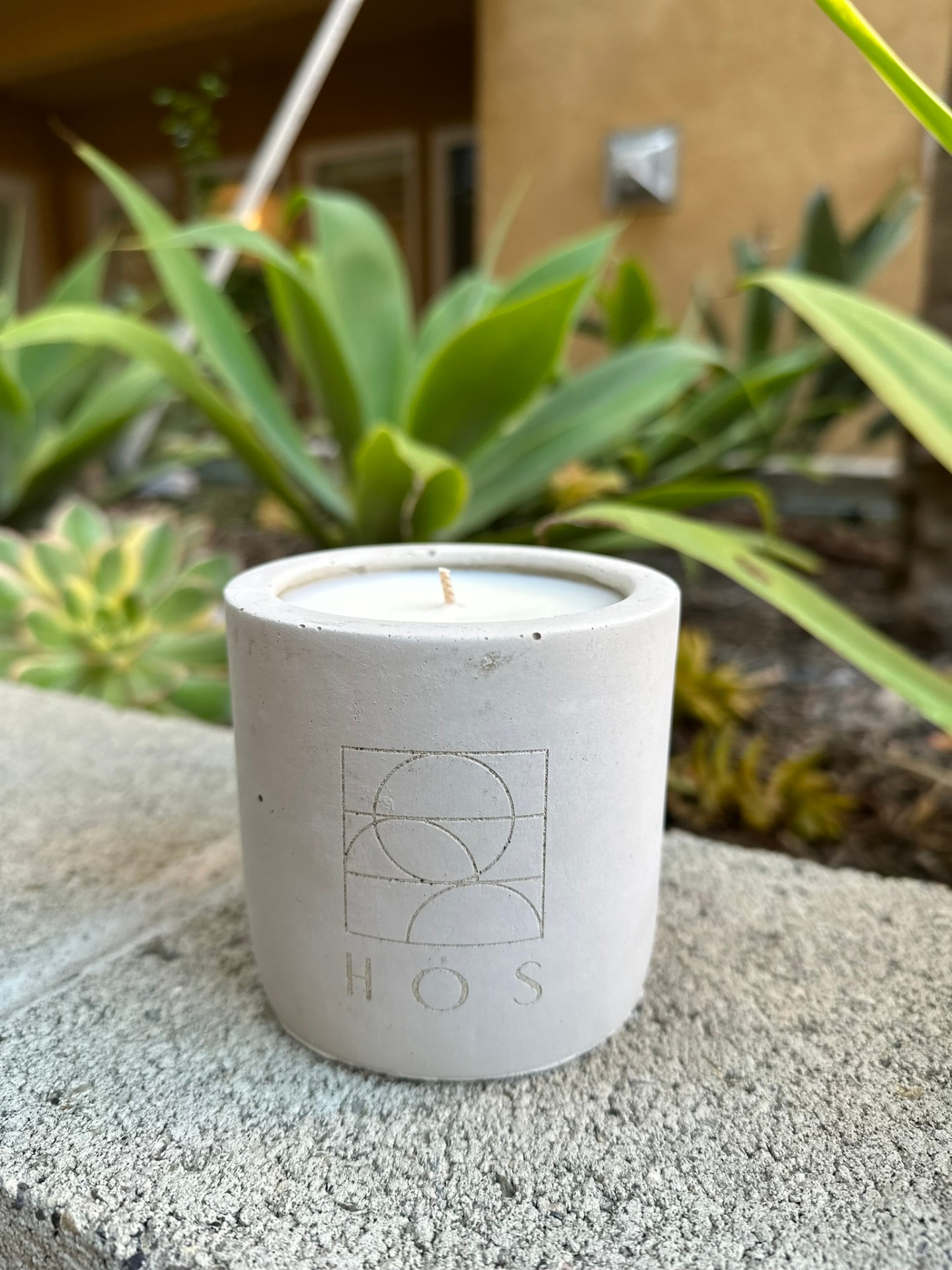
the word luxury, applied to a candle, has been used so loosely for so long that it now means almost nothing. price is not the definition. label design is not the definition. a celebrity's name on the box is not the definition. the working definition we use here is narrower and more material: a luxury candle is one that meets eleven specific standards across wax, wick, fragrance, vessel, and provenance, and is honest about all eleven. anything less is a candle. anything that fails on more than two is mass-market in a heavy jar.
01 — one hundred percent natural wax
coconut, apricot, beeswax, or a blend. coconut burns coolest and throws scent best. apricot adds creaminess to the burn pool. beeswax is the only wax with a scent of its own — honey, faintly. paraffin and paraffin blends are disqualifying.
02 — wood or unbleached cotton wick
wood wicks throw a soft crackle and burn cleaner across the burn pool. unbleached cotton is the classic alternative. zinc-cored, lead-cored, or paper-cored wicks are not used in any candle that calls itself luxury — they were phased out of the legitimate industry years ago.
03 — phthalate-free, ifra-compliant fragrance
phthalates were once standard fragrance solvents and are now associated with hormone disruption. an ifra-compliant fragrance has been formulated within the international fragrance association's safety thresholds. a luxury maker uses both as a baseline, not a marketing claim.
04 — composed fragrance with top, heart, and base
a luxury scent has structure. a top note that opens the room in the first thirty minutes, a heart that defines the candle through the second hour, a base that lingers after the wick is out. flat single-accord candles are not composed; they are dumped.
05 — hand-finished vessel
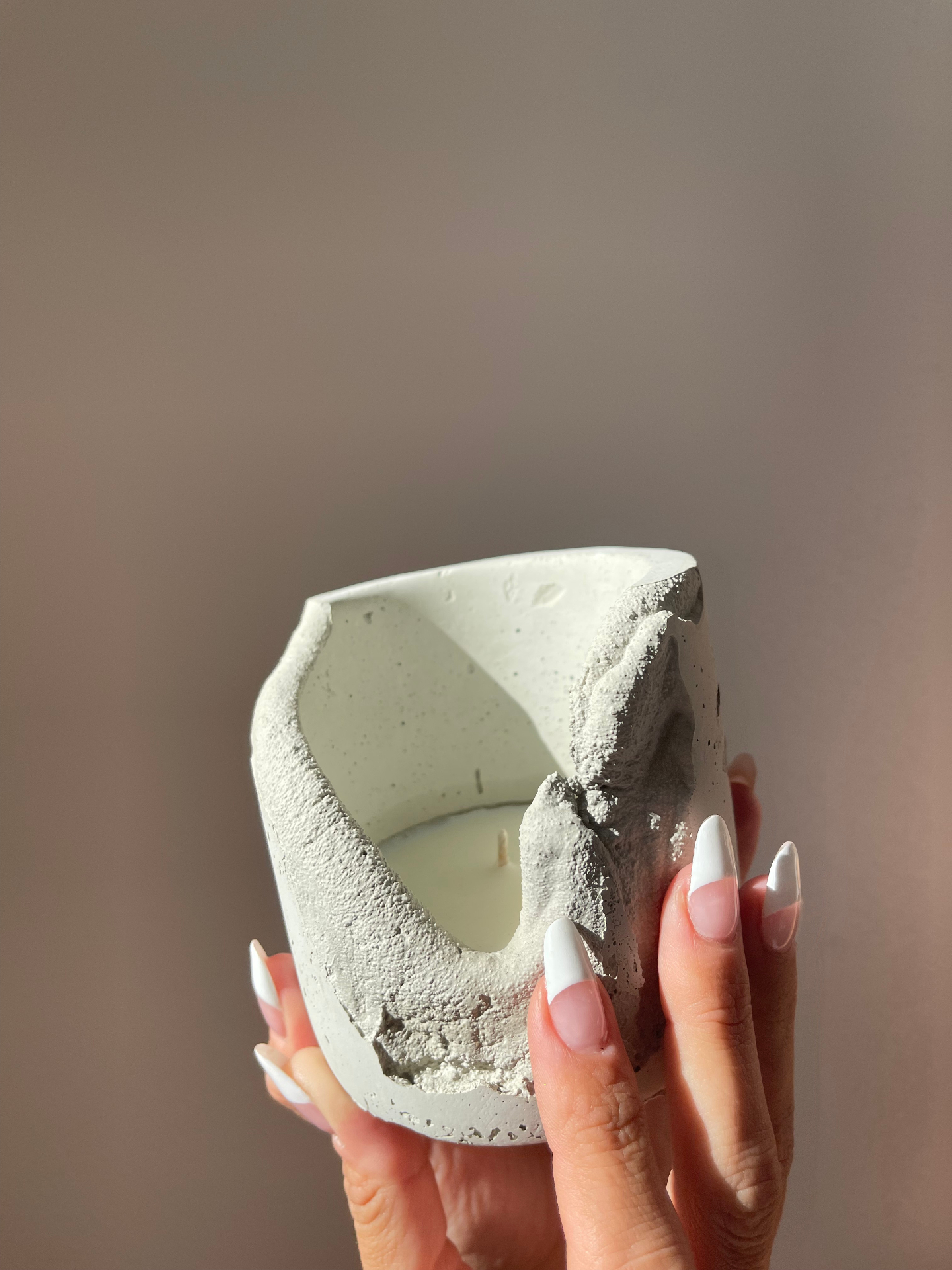
concrete, ceramic, hand-blown glass, travertine, or brass — finished by hand, not pressed by machine. weight, slight asymmetry, and a finished underside are the signals. mass-produced glass is the most common shortcut and the easiest tell.
06 — minimum fifty hours of burn time per ten ounces
a clean wax candle in a properly sized vessel burns at roughly five hours per ounce. anything significantly less suggests too large a wick, too much fragrance load, or a wax cut with cheaper material. burn time is the single most useful objective metric on the box.
07 — stated batch and pour date
scented natural-wax candles are at their peak within the first six months of pour. a maker who knows what they are selling will tell you when it was poured. a brand that cannot is selling old inventory.
08 — named maker, named studio
you should be able to find, on the about page or in two clicks, the name of the person or small team who made the candle and where the studio is located. if it is contract-poured at scale, that is fine — but the brand should be honest about it. opacity here is the single biggest signal of a private-label candle wearing luxury packaging.
09 — no synthetic dye
the color of the wax is the natural color of the wax. dye is decoration that costs you a cleaner burn and a cleaner scent throw. luxury candles are usually off-white, beige, or the natural amber of beeswax.
10 — refillable or reusable vessel
the vessel should outlive the candle. a luxury maker either offers a refill program or makes a vessel handsome enough to repurpose — a planter, a paperweight, a vase for short stems. the disposable scented jar is the opposite of luxury.
11 — a return policy
the simplest and most overlooked standard. a maker confident in the candle gives you a window to send it back if the scent is not for you. a brand that does not is selling something they are unsure of. ask before you buy.
paraffin and "paraffin-soy blend". paraffin is a petroleum byproduct. blending it with soy does not change the chemistry. any candle marketed as luxury that does not specify a one-hundred-percent natural wax has disqualified itself.
synthetic dyes. color in a luxury candle is the natural color of the wax, the vessel, or both. dyed wax burns dirtier, throws scent less cleanly, and signals a decorative-first, performance-second product.
glass jars dressed up as luxury. a thick label and a serif font are not a vessel. mass-produced glass is the cheapest container in the candle industry. there are beautiful glass-vessel candles in the world; they are hand-blown, they cost what hand-blown glass costs, and you can usually name the glassblower.
celebrity drops without provenance. a candle attached to a famous name is a marketing exercise unless the same product page tells you who poured it, where, and when. without that, you are buying the name. that is not luxury — that is licensing.
put simply: a luxury candle is made from clean wax, lit by a clean wick, scented with a composed fragrance, poured into a hand-finished vessel, by a maker you can name, in a batch you can date. it is transparent on every input. it is small enough to be the work of a person. it is, in the end, the quietest thing in your house — and quiet is the rarest thing money can still buy.
for the practical companion to this piece — how to apply these eleven standards as questions you can ask before you buy, and a regional view of where to find makers who meet them — return to the guide.
see how these standards apply in your city: los angeles, orlando, and miami.